Types of Tooth Fillings: Composite vs. Amalgam vs. Gold

- Composite fillings match natural tooth color and can work well for many visible areas and teeth with moderate chewing pressure.
- Amalgam and gold are known for durability, but the best choice depends on the cavity, tooth location, bite forces, appearance, and health history.
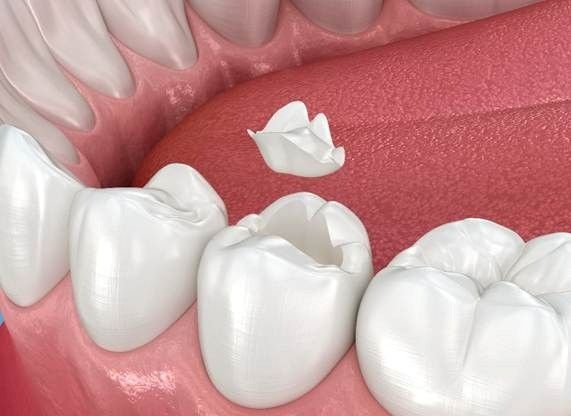
- Chipped, loose, or worn fillings should be checked because gaps can allow new decay to develop.
If you need a tooth filling, no single material is right for every tooth. Blue Ash Dental Group uses tooth colored composite fillings as a standard option, while our team discusses the material that makes sense for your cavity and oral health.
Composite Fillings
Composite resin is shaded to blend with your smile and can be used on front or back teeth. These fillings can last for years, although larger restorations and heavy chewing or grinding may increase wear.
Amalgam and Gold Fillings
Amalgam is a silver-colored material valued for its strength, especially in areas that handle strong bite pressure. Gold fillings are also highly durable and may last longer than many other materials, but they are more noticeable and often require additional treatment steps. Composite may need replacement sooner than amalgam or gold, while the lifespan of any filling depends on its size, location, care, and bite forces.
Should an Old Filling Be Replaced?
A sound amalgam filling doesn't automatically need to be removed just because a patient prefers a different appearance. Your dentist can check whether it is stable or whether decay, cracking, chipping, or a gap at the edge makes replacement appropriate.
Wondering what material was used for your last filling and when it was placed? Contact us to schedule an exam and talk through your options.
Image credit: 3d_vicka | Shutterstock