Halitosis Symptoms: How to Tell If You Have Chronic Bad Breath

- Chronic bad breath may signal more than food or morning breath.
- Dry mouth, tongue coating, bleeding gums, and bad taste can be warning signs.
- Persistent halitosis is a reason to schedule a dental exam.
Halitosis can be difficult to notice on your own because your sense of smell can adapt. A trusted friend may give you a clearer answer, and a simple wrist check can offer another clue. If bad breath keeps returning with dry mouth, a white tongue coating, bad taste, or bleeding gums, it may be time to investigate the cause.
When Bad Breath Becomes Chronic
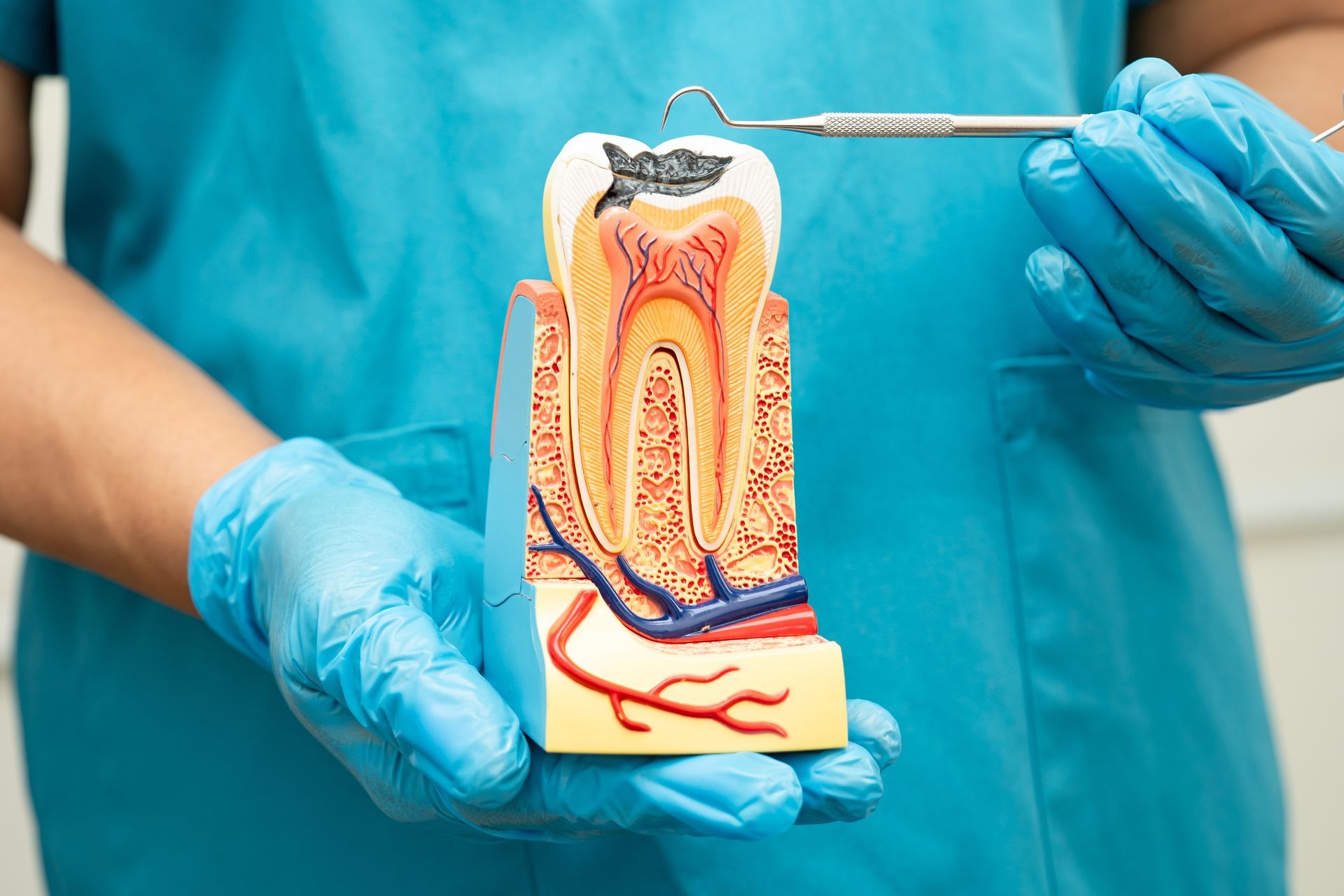
Food, coffee, or morning breath often improves with brushing, flossing, drinking water, and time. Chronic halitosis is different. When odor returns despite regular home care, the source may be plaque, tongue bacteria, gum disease, tooth decay, or dry mouth.
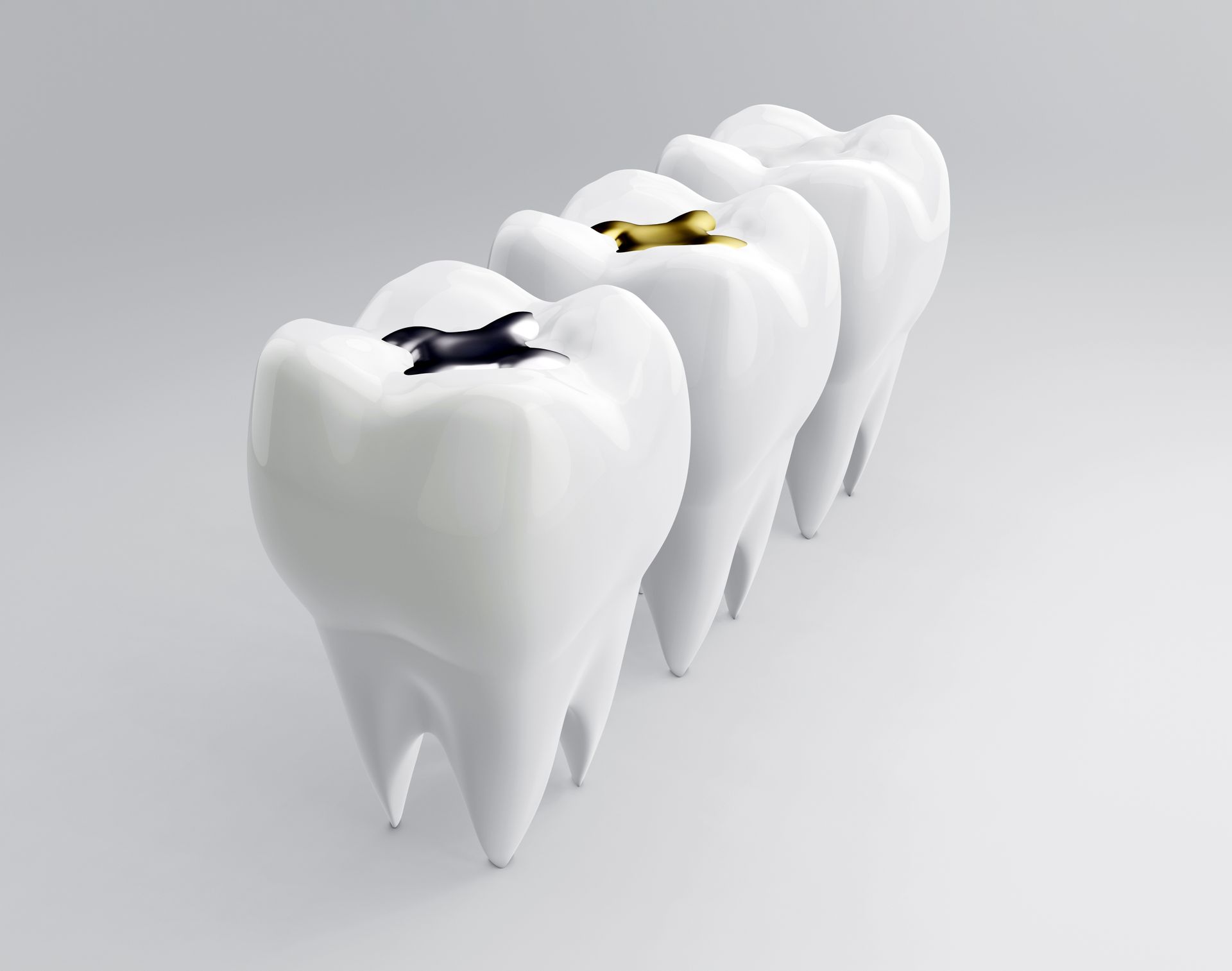
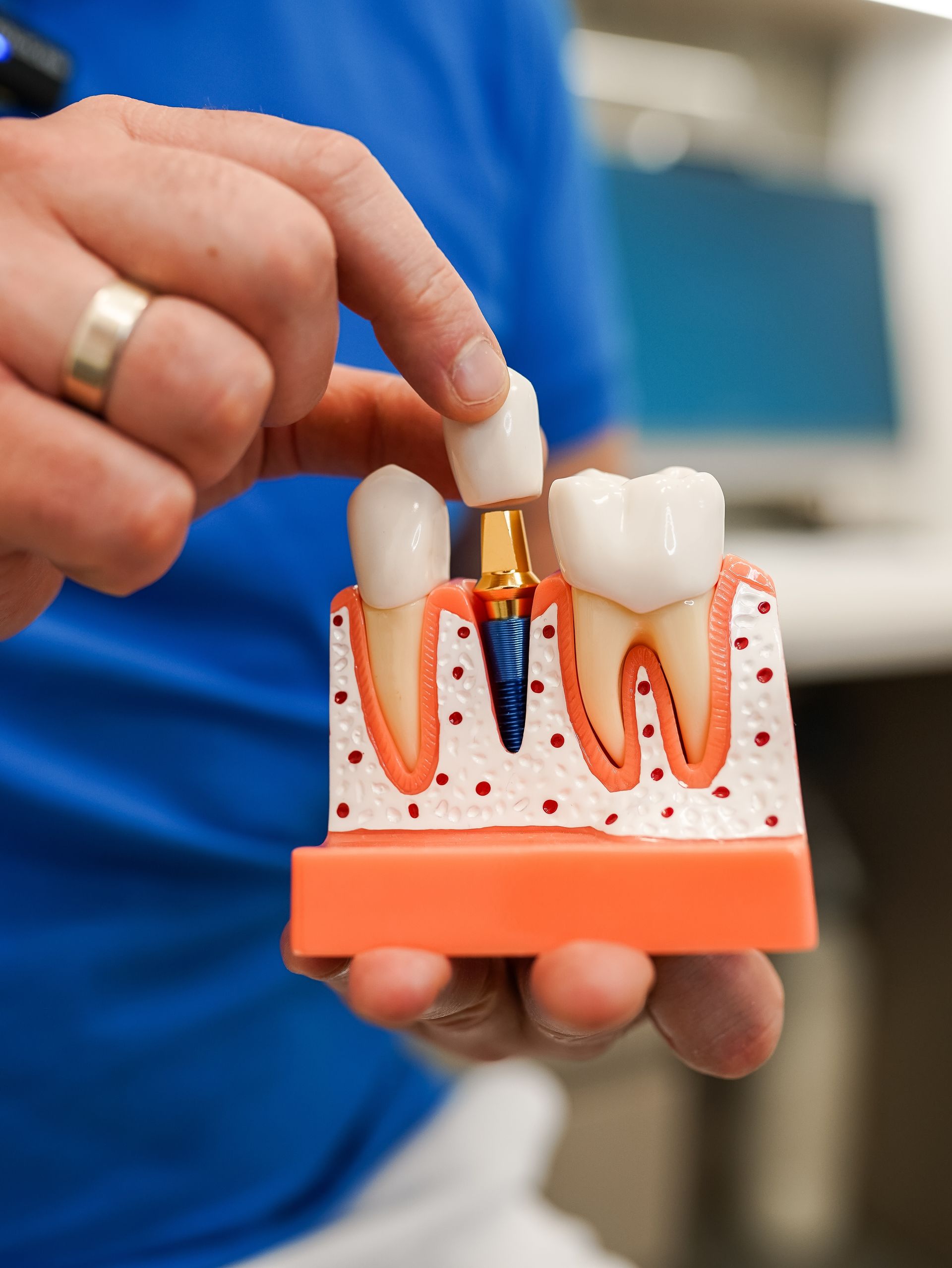
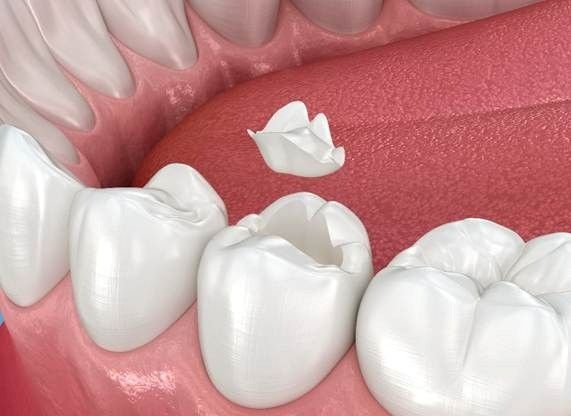
Existing dental work can also contribute. Food may become trapped near a bridge, while decay can develop around an aging filling or crown. Mouthwash may cover the odor temporarily, but it does not always solve the underlying problem.
What a Dental Exam Can Reveal
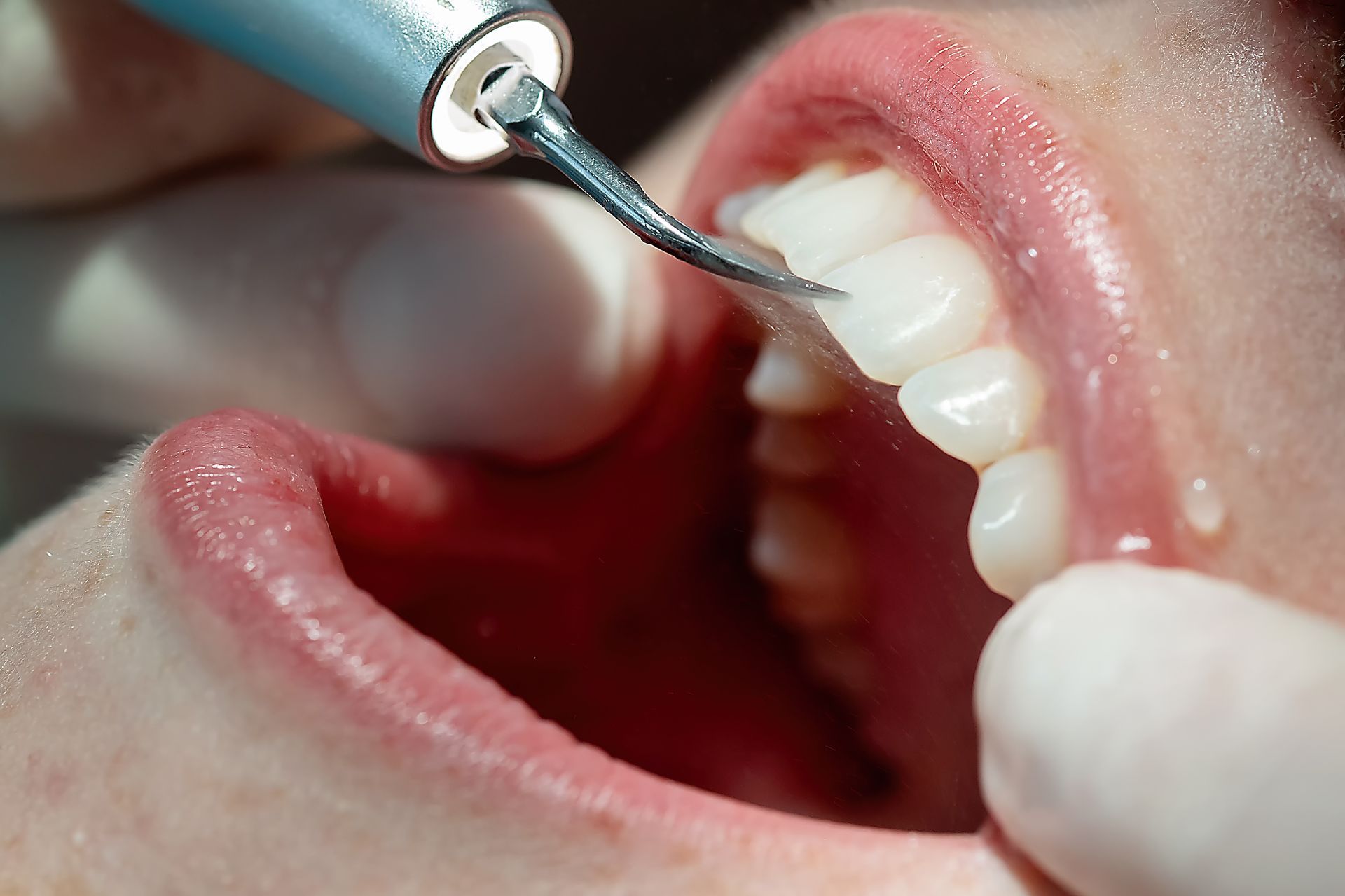
During a hygiene visit, our team can examine your teeth, gums, tongue, and dental work for possible sources of halitosis symptoms. A professional cleaning can also remove plaque and tartar that home care may leave behind.
If your mouth appears healthy but the odor continues, a medical condition could be involved. Your dentist may recommend speaking with your physician.
Get Answers About Persistent Bad Breath
Blue Ash Dental Group helps patients throughout Cincinnati address oral health concerns without embarrassment or judgment. If bad breath keeps coming back, mention it at the beginning of your visit so we can investigate the cause and discuss next steps. Contact us to schedule a cleaning and exam.
Image credit: Sebra | Shutterstock